
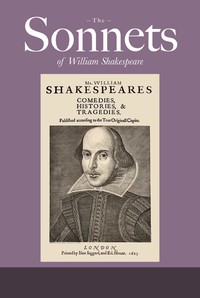
The Sonnets by William Shakespeare
Let's be clear: there's no traditional plot here. 'The Sonnets' is a collection of 154 short poems, mostly 14 lines each. They’re not presented as one continuous story, but read together, they create a powerful emotional narrative.
The Story
The poems fall into two main groups. The first 126 are addressed to a stunningly handsome young man. Shakespeare urges him to have children to preserve his beauty, praises him endlessly, gets jealous of other poets who praise him, and feels hurt when the young man seems to take him for granted. Then, around Sonnet 127, the focus shifts to a woman—the so-called 'Dark Lady.' Her hair is wiry and black, not golden, and she’s not idealized. The poet is completely, messily in lust with her, even as he knows she's been unfaithful to him... possibly with the young man from the earlier poems. Woven throughout is Shakespeare's obsession with time, decay, and how poetry itself can make beauty and love last forever.
Why You Should Read It
You should read this to meet the man, not the monument. This is where Shakespeare feels closest. You get his genius for capturing a feeling in a perfect line—'Shall I compare thee to a summer’s day?'—right next to his pettiness, his insecurity, and his overwhelming passions. The emotions are immediate and real: the ache of unrequited admiration, the bitterness of betrayal, the quiet comfort of deep friendship. It strips away the fancy costumes and big stages and shows you the heart and mind of one of history's most famous writers, worrying about the same things we do: love, reputation, getting older, and being remembered.
Final Verdict
This book is perfect for anyone curious about the person behind the plays, for poetry newcomers (the short format is less intimidating!), and for readers who love dissecting historical mysteries. If you enjoy seeing timeless emotions laid bare with breathtaking skill, you'll find 'The Sonnets' surprisingly addictive. Just be ready—you might start seeing sonnets everywhere.
There are no legal restrictions on this material. It serves as a testament to our shared literary heritage.
James White
5 months agoThis work demonstrates a clear mastery of contemporary theories.
Richard Harris
1 year agoThe clarity of the introduction set high expectations, and the practical checklists included are a great touch for real-world use. If you want to master this topic, start right here.
Nancy Garcia
5 months agoOne of the most comprehensive guides I've read this year.
Nancy Hernandez
4 months agoExtremely helpful for my current research project.


David Smith
1 year agoWhile browsing through various academic sources, the data points used to support the main thesis are quite robust. This adds significant depth to my understanding of the field.