
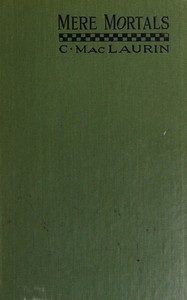
Mere mortals : Medico-historical essays by C. MacLaurin
Let's be clear: this isn't a novel with a plot. It's a series of historical autopsies. Published in 1925, the book collects essays where Dr. Charles MacLaurin, with a mix of medical expertise and a sharp wit, investigates the health and deaths of famous people. Each chapter picks a figure—say, Julius Caesar or Samuel Johnson—and sifts through historical accounts looking for medical clues.
The Story
MacLaurin acts as a medical consultant for history. He looks at the symptoms described in letters, diaries, and reports, and then offers his diagnosis. For Napoleon, he argues against the standard cancer story, suggesting complications from an old disease. He questions whether King George III's 'madness' was the porphyria we often hear about today. He even examines the execution of Charles I, analyzing the technical skill (or lack thereof) of the axeman. The 'story' in each essay is the journey from the myth to the probable medical truth. It's about stripping away centuries of political spin and hero-worship to find the vulnerable human underneath.
Why You Should Read It
I loved this book because it makes history feel immediate and physical. These weren't just names in a textbook; they were bodies that broke down. MacLaurin's writing is surprisingly fresh and opinionated—you can tell he's having fun playing detective. He gets snarky about bad historical doctors and cheers for clear-headed diagnosis. Reading it, you start to see all history through this lens. Every major decision, every battle lost, every succession crisis, might have been influenced by a migraine, a bad diet, or a misdiagnosed infection. It gives you a new, deeply human perspective on power and fate.
Final Verdict
This is perfect for anyone who likes history but hates feeling like they're studying. It's for the curious reader who enjoys 'behind-the-scenes' stories and medical mysteries. If you've ever binge-watched a show about forensic detectives solving cold cases, you'll get the same kick from this. A word of caution: the medical science is from the 1920s, so some of his conclusions are outdated. But that's almost part of the charm—it's a snapshot of how people thought about the past, from their own point in history. Read it for the fascinating questions, the engaging style, and the reminder that even the greatest 'mere mortals' were subject to the same frailties as the rest of us.
There are no legal restrictions on this material. It is now common property for all to enjoy.
Paul Lewis
1 year agoVery interesting perspective.
Nancy Perez
4 months agoThis book was worth my time since the atmosphere created is totally immersive. One of the best books I've read this year.
David Young
1 year agoFast paced, good book.
Liam Thomas
1 year agoHonestly, it manages to explain difficult concepts in plain English. Absolutely essential reading.




James Lee
1 year agoI was skeptical at first, but it creates a vivid world that you simply do not want to leave. Absolutely essential reading.